
Key Takeaways
- Your dog’s skin and coat are important external indicators of overall health and can reflect underlying nutritional, immune, or systemic issues.
- Common problems such as itching, hair loss, a dull coat, odor, or flaking may signal conditions including allergies, parasites, infections, or hormonal imbalances.
- Nutrition, particularly adequate protein and essential fatty acids, plays a critical role in maintaining healthy skin barrier function and coat quality.
- Early recognition of skin and coat changes, combined with regular veterinary care, can support better long-term health outcomes.
Your dog’s skin and coat can reveal a great deal about their overall health. While a shiny coat and healthy skin are often signs of good nutrition and wellness, problems such as itching, hair loss, or a dull coat may indicate underlying medical issues ranging from allergies to hormonal disorders or nutritional deficiencies.
Because the skin serves as a protective barrier and reflects nutritional, immune, and systemic health, changes in skin and coat quality are often among the first visible signs that something may be wrong. Understanding what healthy skin and coat look like—and recognizing changes that warrant veterinary attention—can help support your dog’s long-term health and well-being.
Skin and Coat Health as Markers of Canine Wellness
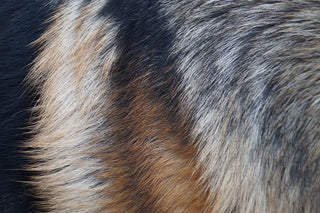
Healthy skin should be smooth and supple, without redness, flakiness, or irritation, while a healthy coat appears shiny and full. When hair loss, dull fur, excessive shedding, odor, itching, or skin lesions develop, they may signal an underlying issue that extends beyond the skin.
Nutrition
Nutrition plays a major role in maintaining your dog’s skin and coat health. Dogs rely on a balanced intake of high-quality protein, essential fatty acids, vitamins, and trace minerals to support normal skin cell turnover, maintain the skin barrier, and promote healthy hair growth.
Nutritional deficiencies or imbalances can quickly become apparent in the skin and coat. Dogs may develop dry, flaky skin, brittle or thinning hair, excessive shedding, or a dull, unkempt coat when dietary needs are not met. Inadequate protein intake or poor-quality ingredients can also impair hair growth and wound healing, while insufficient fatty acids may contribute to increased inflammation and skin sensitivity. Because the skin has high metabolic demands, it is often one of the first body systems to show visible signs of poor nutrition.
Underlying Health Conditions
Ongoing skin and coat issues are not always isolated problems. They can be signs of broader underlying disease. Conditions such as allergies, parasitic infections, bacterial or fungal infections, and immune-mediated disorders can affect skin health and lead to coat changes. In some cases, systemic diseases such as hypothyroidism (low thyroid hormone) or Cushing’s disease (high cortisol levels) may first present with dermatologic signs, including hair thinning, recurrent infections, or poor coat quality. Because these conditions often share similar outward signs, identifying the root cause requires a thorough veterinary evaluation.
Common Skin and Coat Problems in Dogs
Skin and coat issues are among the most common reasons dogs visit the veterinarian. While some problems are mild and seasonal, others may indicate an underlying disease that requires veterinary diagnosis and long-term management. Recognizing these common conditions can help pet parents seek care earlier and support better outcomes.
Allergies
Allergies are one of the leading causes of chronic skin irritation in dogs. Environmental allergens, such as pollen, dust mites, and mold, may trigger itching, redness, and recurrent ear or skin infections. Food allergies may present similarly, often causing year-round itching, gastrointestinal upset, and poor coat quality. If left untreated, persistent scratching and inflammation can lead to hair loss, thickened skin, and secondary infections.
Parasites
External parasites, especially fleas, are a major cause of skin irritation and hair loss. Some dogs are highly sensitive to flea saliva, and only a few flea bites can lead to intense itching, hair loss, and secondary skin infections. Mites, including those responsible for mange, can also cause patchy hair loss, scaling, and severe inflammation.
Infections
Secondary skin infections are common in dogs with allergies or compromised skin barrier function. Bacterial infections often cause pustules, crusting, redness, and odor, while yeast infections typically result in greasy skin, itching, and a musty smell. These infections require veterinary diagnosis and targeted antimicrobial or antifungal treatment.
Dry Skin and Dull Coat
Dry, flaky skin and a dull coat can result from environmental factors, inadequate grooming, over-bathing, or nutritional imbalances. In some cases, these signs may also reflect an underlying systemic disease or deficiencies in essential nutrients such as protein or fatty acids.
Hair Loss
Hair loss, or alopecia, may be localized or widespread and can occur with or without itching. Common causes include parasites, infections, hormonal disorders, and stress-related conditions. Because alopecia is a symptom rather than a diagnosis, identifying the underlying cause is essential for effective treatment.
Supporting Your Dog’s Skin and Coat Health
Supporting healthy skin and coat health requires consistency. Small, routine choices involving nutrition, grooming, parasite prevention, and veterinary care can make a meaningful difference in your dog’s comfort and long-term well-being.
Feed a Balanced, High-Quality Diet
Nutrition is one of the most important foundations of skin and coat health. Dogs need a complete and balanced diet containing adequate protein, essential fatty acids, vitamins, and minerals to maintain a healthy skin barrier and support hair growth. Diets rich in omega-3 fatty acids may also help support normal skin health and coat quality.
Add Skin Support Supplements
Skin and coat supplements made with high-quality ingredients can help nourish your dog’s skin and coat. Formulations containing essential fatty acids, linoleic acid, and inulin fiber may help support healthy skin, a full coat, and normal shedding.
Provide Consistent Parasite Prevention
Fleas, ticks, and mites are common causes of itching, hair loss, and skin irritation. Even minor infestations can cause significant discomfort, particularly in dogs with flea allergy sensitivity. Year-round parasite prevention recommended by your veterinarian helps reduce the risk of infestations and the secondary skin infections they can cause.
Maintain a Regular Grooming Routine
Regular grooming helps keep your dog’s skin and coat healthy by removing dirt, debris, and loose hair while stimulating natural oil production. Brushing also provides an opportunity to monitor for early signs of skin problems, including lumps, redness, flaking, or parasites. Bathe your dog as needed using a dog-safe shampoo, as excessive bathing or harsh products can strip natural oils and contribute to dryness.
Partner with Your Veterinarian
Regular veterinary visits are essential for maintaining healthy skin and coat health. Your veterinarian can identify underlying causes of chronic skin issues, recommend appropriate diagnostic testing, and develop an individualized treatment plan. Working closely with your veterinarian helps ensure both visible signs and underlying health concerns are addressed.
An Insight Into Your Dog’s Health
Your dog’s skin and coat provide valuable insight into their overall health and well-being. While a shiny coat and healthy skin often reflect good nutrition and balanced internal function, changes such as itching, hair loss, dullness, or irritation can be early indicators of underlying issues. For dogs with persistent skin concerns—or simply to help maintain healthy skin and a vibrant coat—supplements made with high-quality ingredients may provide additional nutritional support. Consult your veterinarian before adding any supplement to your dog’s routine.
FAQs
Can stress affect my dog’s skin and coat?
Yes. Stress can contribute to behaviors such as excessive licking, chewing, or scratching, which may lead to hair loss and skin irritation. In some cases, stress can also worsen underlying skin conditions.
Are certain dog breeds more prone to skin problems?
Yes. Breeds such as Bulldogs, Boxers, Retrievers, and German Shepherds are more commonly affected by skin conditions because of their genetics, coat type, or predisposition to allergies.
Should I be concerned if my dog is shedding more than usual but seems otherwise healthy?
Increased shedding can be normal during the spring and fall, when many dogs naturally shed their seasonal coats. However, excessive or prolonged shedding may indicate allergies, stress, nutritional imbalances, or early skin disease.
How can I tell the difference between normal scratching and a skin problem?
Occasional scratching is normal. Frequent or persistent scratching—especially when accompanied by redness, hair loss, sores, or other skin changes—often indicates an underlying condition that should be evaluated by a veterinarian.
References
- Whittle, M. J., et al. (2024). Metagenomic characterization of canine skin reveals a core healthy skin microbiome. Scientific Reports, 14, 20104.
- Malinovská, Z., et al. (2023). Dermatological diseases in dogs – a survey in veterinary facilities. Folia Veterinaria, 67(4), 34–40.
- Yankowicz, S. (2024). Pet insurance company reports most common veterinary visits. dvm360.
- Discepolo, D. R., et al. (2023). Impacts to canine dermal microbiota associated with repeated bathing. Frontiers in Veterinary Science, 10, 1204159.
Disclaimer: This content is provided for informational purposes only and is not intended to diagnose, treat, cure, or prevent any disease. Always consult your veterinarian before making changes to your dog's care regimen.